
AI
AI Agents Are Reshaping Software Development: What Every Developer Should Know in 2026
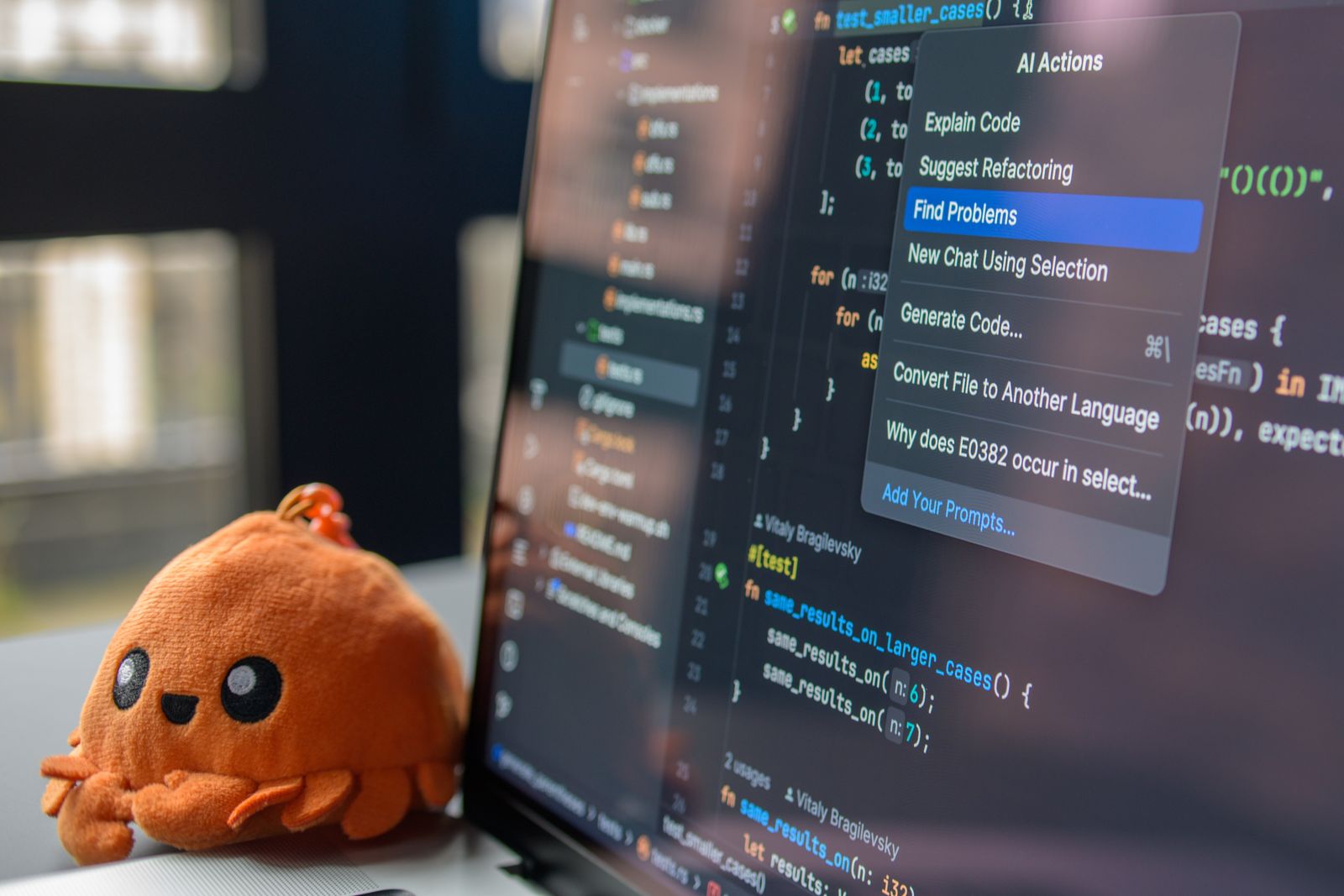
Artificial Intelligence is no longer just a productivity tool—it has become an active participant in the software development process. In 2026, AI agents are changing how developers design, build, test, and deploy applications. Unlike traditional coding assistants that simply suggest snippets of code, AI agents can complete complex tasks, automate workflows, and collaborate with developers throughout the software development lifecycle.
Businesses of all sizes are adopting AI-powered development to improve productivity, reduce repetitive work, and accelerate product delivery. While AI is becoming increasingly capable, it is not replacing software engineers. Instead, it enables developers to focus on solving business problems, designing scalable systems, and building innovative applications.
What Are AI Agents?
AI agents are intelligent systems that can understand a developer's request, plan multiple steps, execute tasks, and refine their work based on results. Rather than generating a single function, they can complete larger workflows such as building APIs, writing unit tests, generating documentation, debugging applications, or reviewing code for security issues.
For example, a developer can ask an AI agent to create a user authentication system. The AI can generate database models, build API endpoints, implement validation, write test cases, and even suggest deployment configurations. This significantly reduces development time while maintaining consistency across projects.
Why AI Is Transforming Software Development
Modern software applications are more complex than ever. Developers manage cloud infrastructure, microservices, APIs, databases, CI/CD pipelines, monitoring tools, and security requirements simultaneously. These responsibilities often leave less time for innovation.
AI agents help by automating repetitive engineering tasks. Instead of spending hours writing boilerplate code or debugging common issues, developers can focus on architecture, performance optimization, and user experience.
Organizations that integrate AI into their workflows are seeing faster releases, improved code quality, reduced maintenance costs, and better collaboration between engineering teams.
How AI Agents Improve Development
Faster Code Generation
AI agents can generate production-ready code based on project requirements and coding standards. They reduce the time required to build common features while allowing developers to review and customize the generated output.
Intelligent Debugging
Debugging is often one of the most time-consuming parts of software development. AI agents analyze stack traces, runtime errors, dependency issues, and performance bottlenecks to identify the root cause of problems. Many tools even suggest fixes, allowing developers to resolve issues much faster.
Automated Testing
Writing test cases manually can be repetitive. AI agents generate unit tests, integration tests, API tests, and edge-case scenarios automatically. Better test coverage improves application reliability and reduces the likelihood of production bugs.
Documentation
Documentation is frequently overlooked during fast-paced development cycles. AI can automatically create API documentation, README files, technical guides, and function descriptions, making projects easier to understand and maintain.
Code Reviews
Modern AI tools assist developers during pull requests by detecting duplicated code, security vulnerabilities, inefficient algorithms, and coding standard violations. Human reviewers can then focus on architecture and business logic instead of routine checks.
AI Beyond Coding
The impact of AI extends beyond writing software. Development and operations teams use AI for infrastructure monitoring, deployment validation, log analysis, incident detection, and performance optimization. These capabilities help organizations identify problems early and reduce application downtime.
AI also supports project planning by generating technical documentation, estimating development effort, summarizing meetings, and organizing engineering tasks. This allows teams to spend more time building products and less time on administrative work.
Challenges of AI-Assisted Development
Although AI provides significant advantages, it is not perfect. Generated code may contain logical errors, outdated implementations, or security vulnerabilities if used without review.
Organizations must also consider data privacy when using AI platforms, especially when working with proprietary source code. Understanding licensing requirements and protecting sensitive business information remain important responsibilities.
Another concern is developer dependency. While AI accelerates learning, developers should continue strengthening their programming fundamentals, problem-solving abilities, and system design skills rather than relying entirely on automated suggestions.
Skills Developers Should Focus On
As AI automates repetitive coding tasks, developers should strengthen skills that require human creativity and decision-making. These include software architecture, cloud computing, cybersecurity, DevOps, system design, API development, and communication.
Learning how to work effectively with AI is becoming an essential skill. Developers who can write clear prompts, validate AI-generated code, and integrate AI into their workflows will have a significant advantage in the years ahead.
The Future of Software Engineering
The future of software development is not about humans competing with AI. Instead, it is about collaboration. AI handles repetitive implementation work while developers focus on innovation, business requirements, scalability, and security.
Companies that embrace AI responsibly can deliver software faster, improve product quality, and respond more quickly to customer needs. At the same time, human expertise remains essential for reviewing code, making architectural decisions, and ensuring applications are reliable and secure.
As AI technology continues to evolve, software engineering will become more efficient, collaborative, and creative. Developers who adapt to this transformation will be better prepared for the next generation of technology.
Conclusion
AI agents are redefining the software development process by helping developers write code, automate testing, improve documentation, and accelerate deployments. They enable engineering teams to work more efficiently while reducing repetitive tasks and improving overall productivity.
However, AI should be viewed as a powerful assistant rather than a replacement for developers. Human judgment, creativity, and technical expertise remain essential for building secure, scalable, and high-quality applications.
Organizations that combine AI capabilities with experienced development teams will be well-positioned to innovate faster and remain competitive in an increasingly digital world. As AI continues to mature, developers who embrace these tools responsibly will shape the future of software engineering.
"AI doesn't replace great developers—it amplifies their ability to build better software faster."